
The energy transition is associated with new technologies for generating and distributing electricity, renewable energy sources and multibillion-zloty investments. Yet the pace of change may ultimately be determined by a far more practical issue: a shortage of suitably qualified workers.
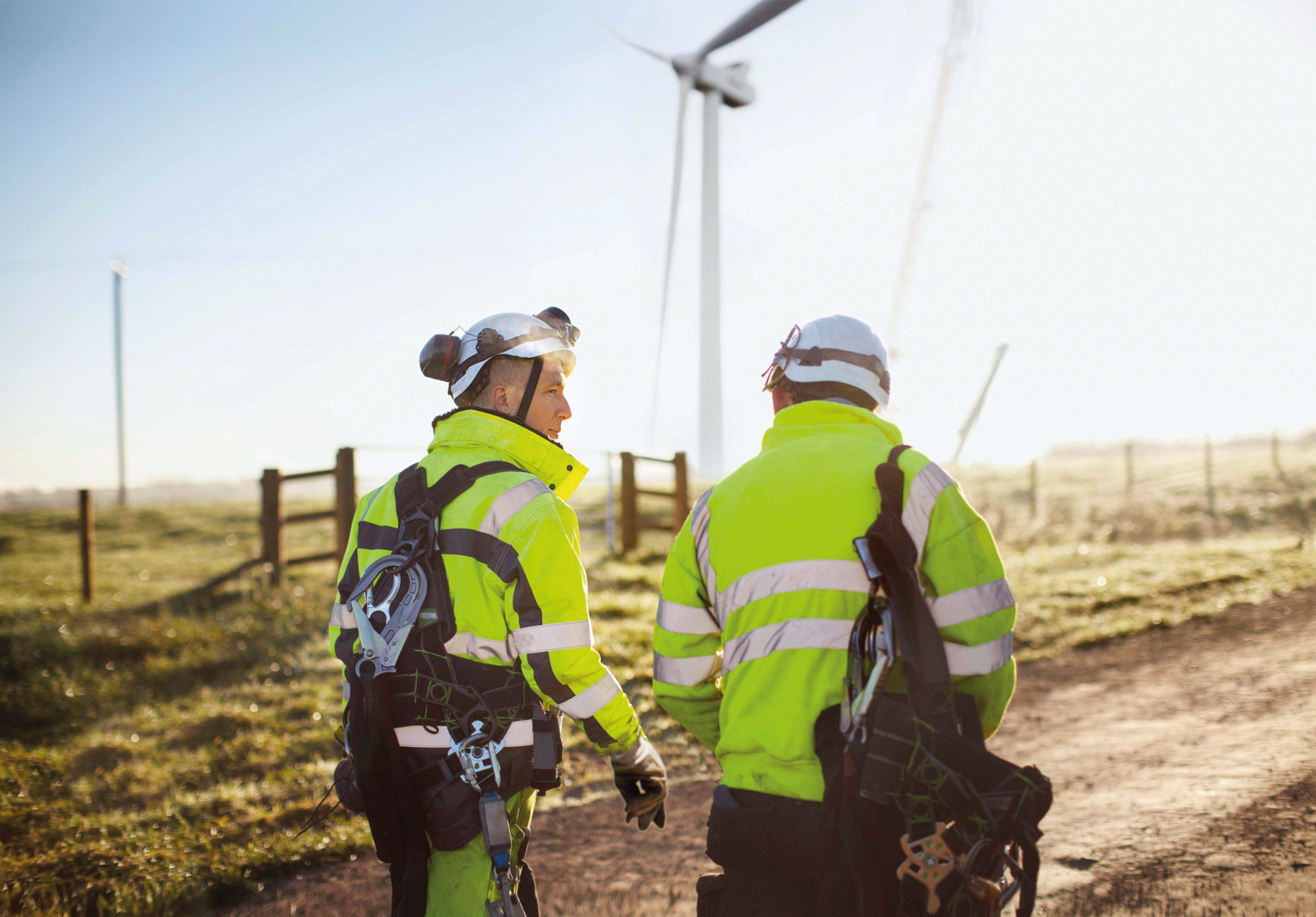
Representatives of Poland’s power sector are increasingly warning that workforce availability is becoming one of the industry’s greatest challenges. A record number of investments are currently under way. Solar farms, offshore wind farms and energy storage facilities are being developed in parallel, while substations and transmission networks are being modernised. Further major projects involving nuclear power and data centres are also on the horizon. Such a concentration of projects is driving a sharp increase in demand for specialists across virtually all professions associated with the power sector. The challenge is no longer limited to recruiting new employees; it also concerns maintaining the required pace of project delivery.
The skills shortage is not confined to a single professional group. The industry needs designers, electrical fitters, automation specialists, construction managers, commissioning engineers and experts responsible for project development. At the same time, similar requirements are being reported by transmission and distribution system operators, contractors and investors delivering new projects. As a result, competition for qualified workers is continuing to intensify.
Workforce Constraints Affect Every Stage of a Project
The workforce shortage is not limited to work carried out on site. It is also becoming increasingly difficult to find people responsible for project design, documentation and delivery supervision. This means that the sector’s growth is being constrained not only by the number of construction teams available, but also by access to specialists involved throughout the investment process. The more new projects enter the market, the more apparent the scale of the challenge becomes.
“Just a few years ago, many people did not regard the power sector as an industry offering particularly strong career prospects. Today, however, the situation is entirely different. The scale of investment is so extensive that people with technical skills can expect stable employment for many years, while demand for specialists will continue to grow,” says Leszek Goli, President of the Management Board of SPIE Energy Poland.
The situation is further complicated by the fact that many investments are being delivered simultaneously. The expansion of transmission networks, the development of renewable energy sources and energy storage facilities, and preparations for the construction of a nuclear power plant mean that multiple investors are seeking the same skills at the same time. As a result, the labour market is becoming increasingly competitive, and the issue is nationwide rather than limited to individual regions.
Education Is Failing to Keep Pace with Market Demand
One reason for the current situation is the insufficient number of people choosing courses related to the power sector, as well as the education system’s inadequate alignment with market needs. For years, the industry has highlighted the need for greater emphasis on vocational and technical education, but the results of these efforts are not yet sufficiently visible. Consequently, companies are increasingly taking responsibility for part of the training process themselves, preparing employees to perform specific tasks only after they have been hired. This extends the time required to develop skills and increases operating costs.
“We need not only more schools providing education in technical professions, but also much stronger promotion of these occupations as attractive career paths with excellent long-term prospects. This is particularly important because the energy transition is taking place not only in Poland, but virtually worldwide. In my view, electricians will be among the most sought-after professionals on the labour market in the coming years, with some of the strongest career prospects,” emphasises the President of SPIE Energy Poland.
There is a broad recognition across the sector that the energy transition will not succeed through new technologies and investment financing alone. It will be equally important to ensure a sufficient number of specialists capable of designing, building, commissioning and maintaining new infrastructure. Human capital may become one of the sector’s most valuable resources in the years ahead, and the effectiveness of the measures taken today will play an important role in determining whether ambitious energy transition plans can be delivered on schedule.