
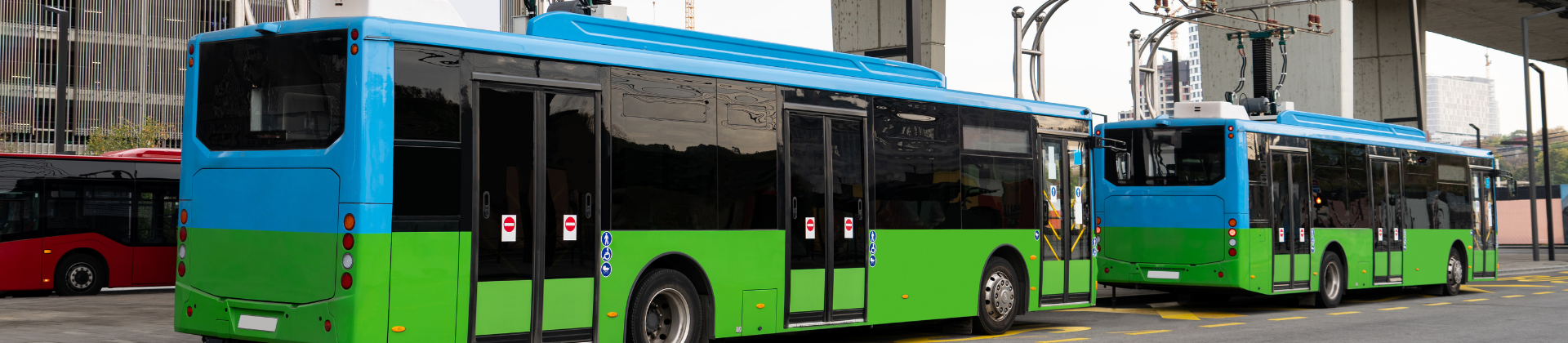
700 million PLN budget and up to 85% funding of the value of the purchase of electric buses with charging infrastructure is offered by the FEnIKS programme[1] (European Funds for Infrastructure, Climate and Environment), the call for which has been ongoing for several months. However, SPIE experts point out that the prerequisite for the successful implementation of a fleet of electric and hydrogen buses is the prior preparation of the energy infrastructure, the definition of the operational model and the provision of technical and service support.
According to data from the Polish Automotive Industry Association (PZPM), at the end of February 2026. 1,846 all-electric battery-powered buses and 135 hydrogen vehicles were registered in Poland[2].
- The scale of the planned funding means that the financial barrier that has so far held back the modernisation of urban transport resources may start to lose its significance. However, the real challenge for local authorities is becoming the smooth transition from the procurement phase to day-to-day operation, where power supply stability and the ability to manage energy in crisis situations play a key role, says Grzegorz Pióro, Technical Manager at SPIE Building Solutions.
From theory to practice: how to avoid mistakes when modernising a fleet?
The key element in preparing for the deployment of an electric and hydrogen fleet is to match the energy potential of the vehicles to the specific characteristics of the local routes. The actual power requirements depend on variables that require individual analysis - from the increased energy consumption for heating in winter to the driving dynamics at full passenger load during peak hours. Reliable consideration of these factors as early as the planning stage allows optimal design of charging cycles and supports the maintenance of operational predictability without the need to adjust timetables.
-Municipalities should analyse the operational range of vehicles through the prism of site specifics and actual load. Experience from Polish cities shows that, in practice, the declared range of buses may differ from the real one, especially at high loads and in difficult weather conditions. It is these that provide the margin of energy security, allowing the fleet to operate stably - says Wojciech Szemiel, Head of Low and Medium Voltage Systems Installation Division at SPIE Energy Poland.
Precise definition of operational needs, however, is only half the battle. An equally important factor is the readiness of the power grid itself to handle the higher demand, which in many regions will require upgrades to the local power supply infrastructure.
Transferring operational plans from paper to the streets will require local governments to provide adequate technical facilities in the first place. For many beneficiaries of the FEnIKS programme, the construction of new connections and transformer stations may prove to be a real challenge - especially in locations that have not previously served consumers with such high power consumption. In smaller centres, where the same people are responsible for a wide range of investments - from sewerage to roads - the investment process requires the coordination of many administrative and technical areas.
- Today, network development planning is sometimes difficult for the energy-related area due to the lack of knowledge about the specific intentions of the municipalities. The appearance of an application for connection conditions therefore becomes clear to operators about the sections of the network that need to be reinforced first - explains Wojciech Szemiel.
Efficient service determines passenger confidence
A very important step in building an efficient transport system is also to ensure the continuity of operation of the installed equipment. The choice of the charging technology itself and the equipment supplier should take into account, above all, the availability of professional technical support and the speed of response to any faults. In this context, even state-of-the-art infrastructure, if not properly serviced, can affect the public's perception of the investment and reduce confidence in public transport.
- The investment does not end with the installation of the charger itself; its value to the city depends on the real, day-to-day performance of these devices. In many European countries, users have found that the success of electromobility is not determined by the number of stations, but by their reliability and efficient service. The largest market players are building an advantage by developing a reliable infrastructure and high service availability. For local authorities, there is a clear conclusion: every non-functioning charging station may be perceived by residents as a signal that the system is not yet fully operational," warns Grzegorz Pióro.
The FEnIKS programme opens the door to modern, low-emission transport for Polish local authorities, but it depends on the quality of preparation how widely it will be opened. The success of the transport transformation does not end with signing a contract with a rolling stock supplier. It requires a sound energy analysis, an efficient dialogue with network operators and a conscious approach to infrastructure maintenance. Only a comprehensive look at the entire ecosystem - from the power on the grid to the efficiency of the chargers on a daily basis - will allow cities to take full advantage of the potential of European funds and build transport that will be a real support for residents for years to come.
.