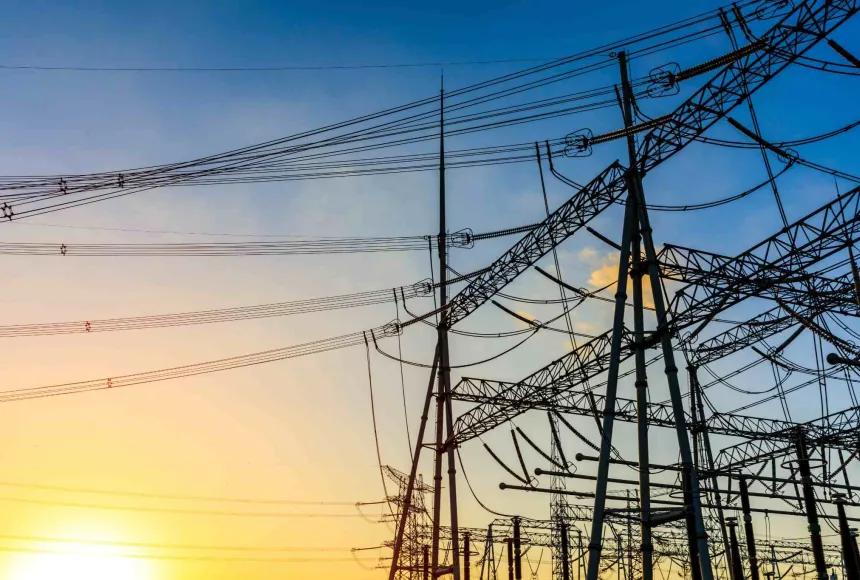

Subsequent years have shown that temperatures exceeding 35°C are no longer an exceptional occurrence in Poland. Experts at SPIE Energy Poland emphasise that this is also a particularly challenging period for energy infrastructure operators, who must ensure a stable supply of energy under conditions that differ significantly from those for which the infrastructure was designed several decades ago.
High temperatures affect the operation of the entire electricity system – the grid has to work harder precisely when its operating conditions become less favourable. During the hottest hours of the day, demand for electricity rises significantly, partly due to the use of air conditioning and other cooling systems. The infrastructure is subjected to additional loads, which come up against limitations arising from the physics of how equipment and the grid operate. In the case of high-voltage power lines, high temperatures can further limit the grid’s transmission capacity, meaning that during periods of peak energy consumption, operators have a smaller safety margin than during moderate weather.
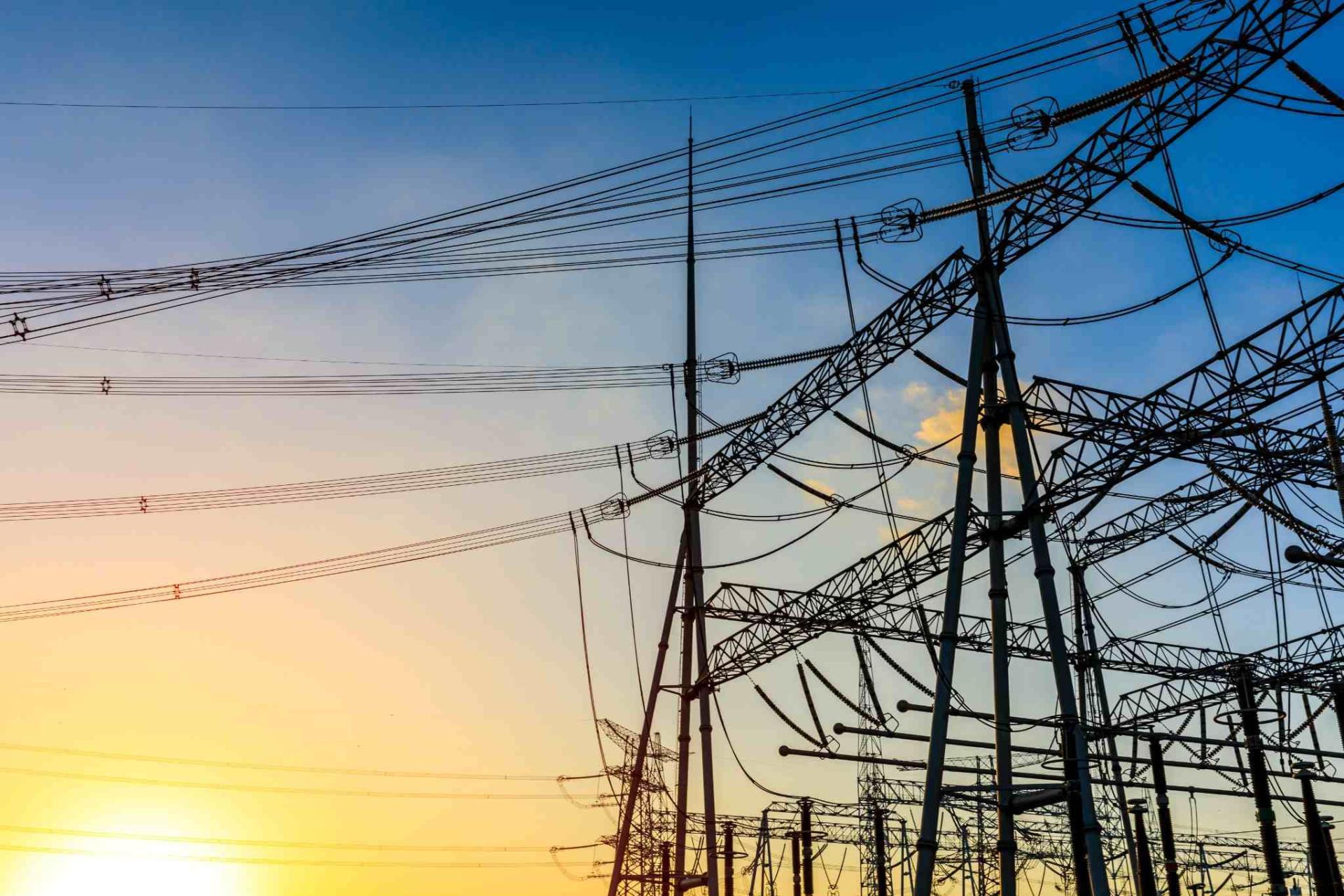
The biggest challenge, however, is not a single hot day. Periods of several days of persistently high temperatures are far more significant, as all elements of the energy infrastructure operate under increased load for an extended period, whilst their cooling capacity remains limited. During this time, power line cables heat up, expand and increase their sag. At the same time, equipment in power stations faces more difficult conditions for dissipating the heat that is naturally generated during energy transmission.
– The energy sector is currently operating under conditions that were considered sporadic just a few decades ago. We are increasingly seeing situations where high temperatures persist for many days. This requires operators not only to manage the grid on an ongoing basis, but also to consistently modernise the infrastructure and increase its resilience to extreme weather events – says Rafał Okoński, Commercial Director at SPIE Energy Poland.
A grid designed for a different climate
A significant proportion of Poland’s energy infrastructure was built at a time when heatwaves were less frequent and of shorter duration. Of course, the networks were constructed with appropriate safety margins; however, the climatic conditions that are now becoming the norm were not the primary point of reference for designers. As a result, the Polish energy sector now faces the challenge of adapting its existing infrastructure to this new reality. This applies to both transmission and distribution networks, as well as power stations, control systems and solutions supporting the monitoring of equipment operation.
– Many of the overhead lines currently in use were designed on the assumption that the permissible operating temperature of the conductors would be around 40–60°C. Modern solutions are already being adapted to operate at conductor temperatures of up to around 80°C, and the modernisation of existing infrastructure involves the gradual replacement of the most heavily loaded network components – explains Rafał Okoński.
High ambient temperatures limit heat dissipation capabilities, whilst at the same time increased energy demand places a greater load on power equipment. Transformers are particularly vulnerable, as they generate significant amounts of heat during operation and utilise cooling systems based, amongst other things, on transformer oil. During prolonged heatwaves, heat exchange efficiency decreases, which increases the risk of overheating and highlights the importance of continuously monitoring the operating parameters of these devices.
– Contrary to popular belief, however, the most likely consequence of heatwaves is not a nationwide power grid failure. Local overloads, failures of individual infrastructure components or temporary disruptions to the power supply are far more likely to be the problem. In situations where the system is under particularly high load, mechanisms may also be employed to limit energy consumption by the largest industrial consumers, which could result in production downtime and measurable losses for businesses – adds an expert from SPIE Energy Poland.
The risk increases further when periods of hot weather are followed by violent storms and strong winds. This is why investments by energy companies in digitalisation, automation and real-time infrastructure diagnostics are becoming increasingly important. Thanks to these, operators can identify potential problems more quickly and manage the grid more effectively during periods of increased load.
Grid resilience is becoming one of the most important challenges facing the energy sector
The increasing frequency of extreme weather events means that infrastructure resilience is becoming one of the key areas of development for the energy sector. This encompasses both the modernisation of existing grid components and the implementation of new technical solutions that enable better prediction of threats and a faster response to emerging problems.
– The greatest challenge for the energy sector is not a single day with temperatures exceeding 35°C, but several such days in a row. Under such conditions, the infrastructure operates under increased load for a long period, and the safety margin gradually decreases. This is why investments that increase the grid’s resilience and measures enabling the early identification of potential risk factors are so important – emphasises Rafał Okoński.
Both short-term and long-term weather forecasts indicate that, in the near future, the Polish energy sector will increasingly operate under climatic conditions that were, until recently, considered exceptional. This means there is a need to continue modernising the infrastructure and building systems designed to cope with increasingly demanding summer periods, ensuring the ability to respond quickly to potential disruptions.