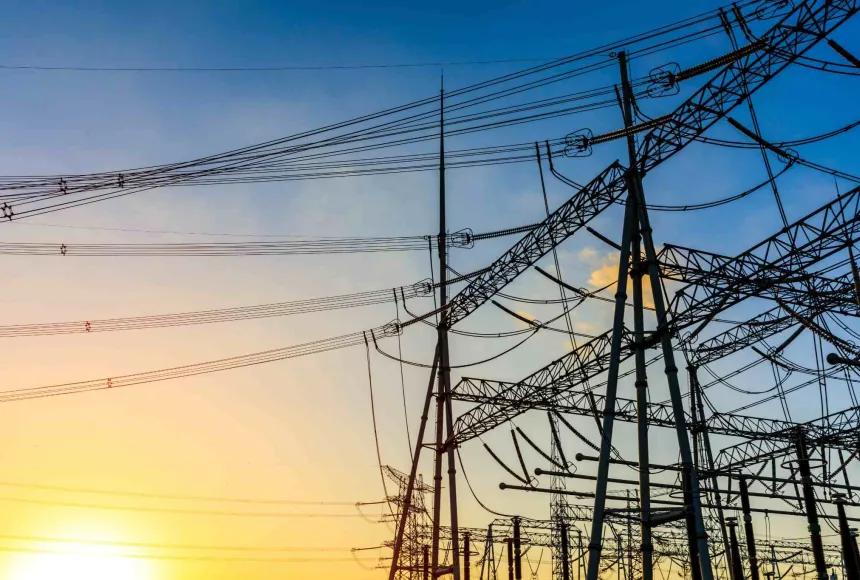

For decades, demand for electricity in Poland peaked during the winter months. However, in recent years, the electricity system has increasingly had to face a new challenge – rising energy production from renewable sources in the summer, coupled with a simultaneous increase in energy demand during heatwaves. This necessitates not only the expansion of the transmission infrastructure, but also a change in the way the national grid is managed.
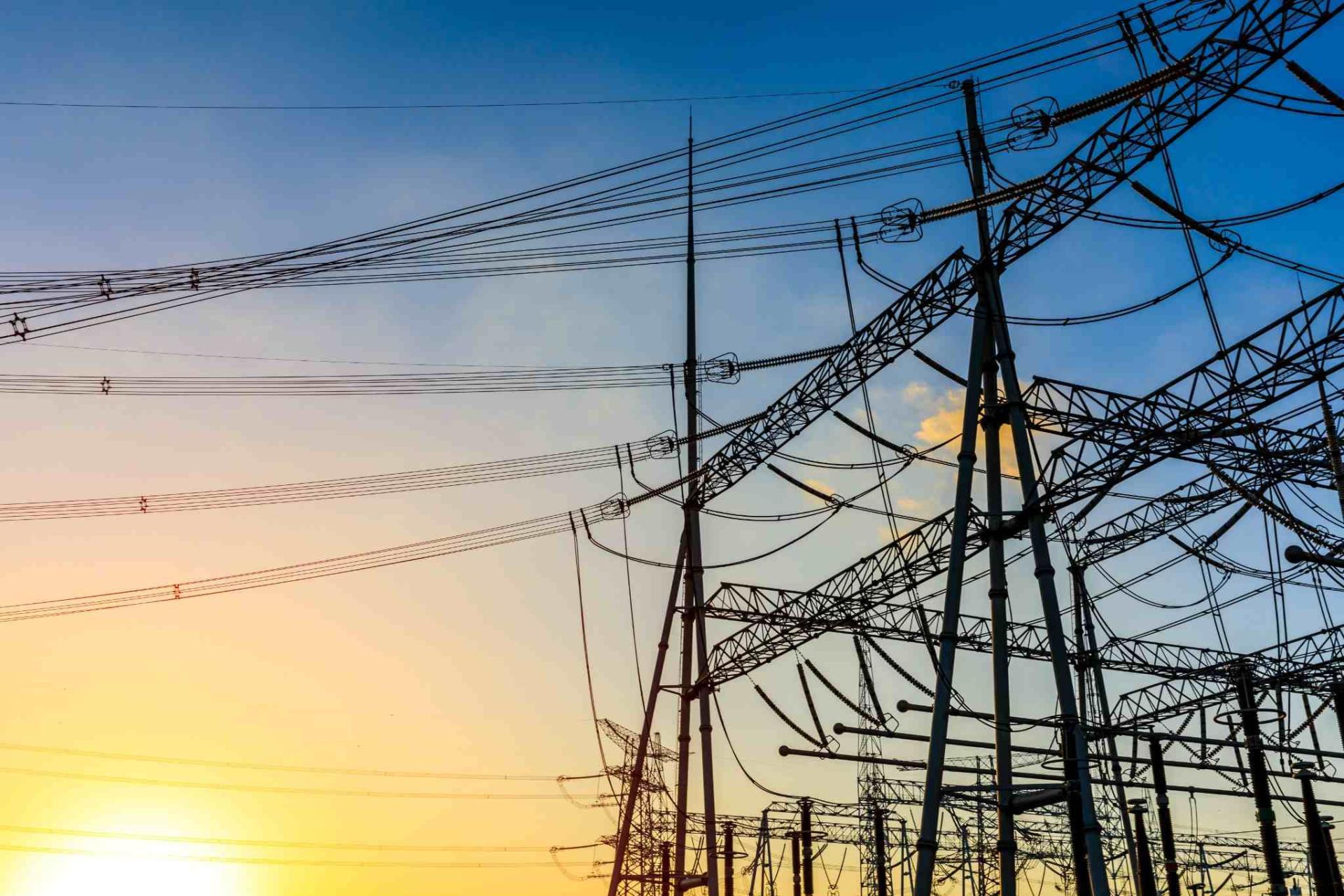
Growing energy production from solar farms and the development of offshore wind power are changing the way the Polish electricity system operates. More and more new energy sources are being developed in the north of the country, whilst the largest energy consumers remain concentrated mainly in the south. This is one of the reasons behind the record-breaking scale of investment currently being carried out by Polskie Sieci Elektroenergetyczne, the national transmission system operator. The modernisation involves both the expansion of the grid and the refurbishment of existing power stations, which must be prepared to handle new energy flow directions.
The nature of energy demand is also changing. High temperatures lead to increased use of air conditioning in both offices and residential buildings. The need to ensure ever-greater comfort for users translates into higher energy consumption precisely during the hottest periods. As a result, summer demand peaks are becoming increasingly important for network operators and are no longer a phenomenon of marginal significance compared with the winter season.
The grid must adapt to new conditions
Rising temperatures do not merely mean higher energy consumption. Heatwaves also affect the operating parameters of the transmission grid itself, limiting energy transmission capacity and contributing to increased losses. At the same time, just when the demand for cooling rises sharply, photovoltaic generation reaches its peak, meaning that a larger proportion of the energy can be used by consumers as and when it is generated. From the operators’ perspective, this means having to constantly balance supply and demand under changing weather conditions.
– In this respect, Poland is increasingly facing challenges that were previously characteristic of Southern Europe. Until recently, peak energy consumption was primarily associated with the winter months, but summer heatwaves are now becoming increasingly significant. This is changing the way the electricity system is managed, as both energy demand and solar power generation are on the rise. “The operator must simultaneously take into account the constraints resulting from high temperatures and make use of the opportunities offered by increased electricity generation from photovoltaics,” says Leszek Goli, CEO of SPIE Energy Poland.
The infrastructure itself is gradually being adapted to the new realities. A record number of investment projects carried out by PSE and distribution companies are intended to prepare the grid for growing energy flows and the changing location of generation sources. The modernisation of existing infrastructure components is also becoming increasingly important, as the grid, designed many years ago, operated under conditions that were completely different from those of today. The ongoing transformation therefore requires not only the construction of new facilities, but also the adaptation of existing ones to new tasks.
The transformation is changing energy flows
One of the biggest changes is the shift in energy production from the south of the country to the north. In the past, coal-fired power stations located near the largest industrial consumers dominated the sector. Nowadays, offshore wind farms and other renewable energy sources located in northern Poland are becoming increasingly important. In practice, this means a reversal of the historical directions of energy flow and the need to adapt the entire transmission system to the new operating conditions.
– In the long term, not only must the transmission system operator prepare for this change, but changes can also be expected on the part of industrial consumers, who are paying increasing attention to energy availability and transmission costs. It is possible that some of the new investments will be developed closer to energy production sites, which will help to reduce the load on the grid and lower transmission costs – says the CEO of SPIE Energy Poland.
According to forecasts, the energy transition will, in the coming years, increase the importance of both transmission grids and smart management of the electricity system. This is because not only energy generation but also its efficient transmission to where it is most needed will become an ever-greater challenge. The growing share of renewable energy sources will require even greater system flexibility and further investment in transmission and distribution infrastructure in order to fully harness the potential of new energy generation sources.