
Expert insights
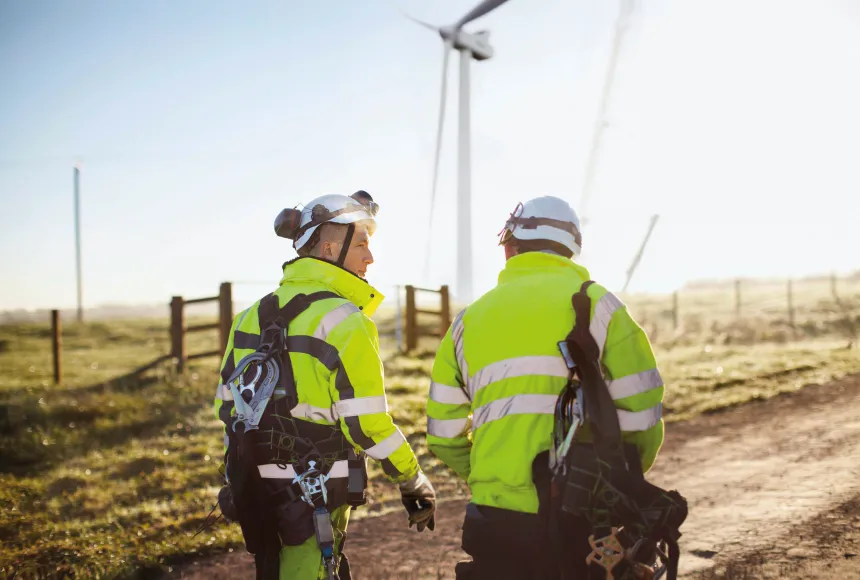
Could a skills gap slow down Poland’s energy transition?
Energy | 09.09.2026
The energy transition is associated with new technologies for electricity generation and distribution, renewable energy sources and multi-billion investments. However, the pace of these changes may well be determined by a far more down-to-earth problem – a shortage of suitably qualified workers.
Read more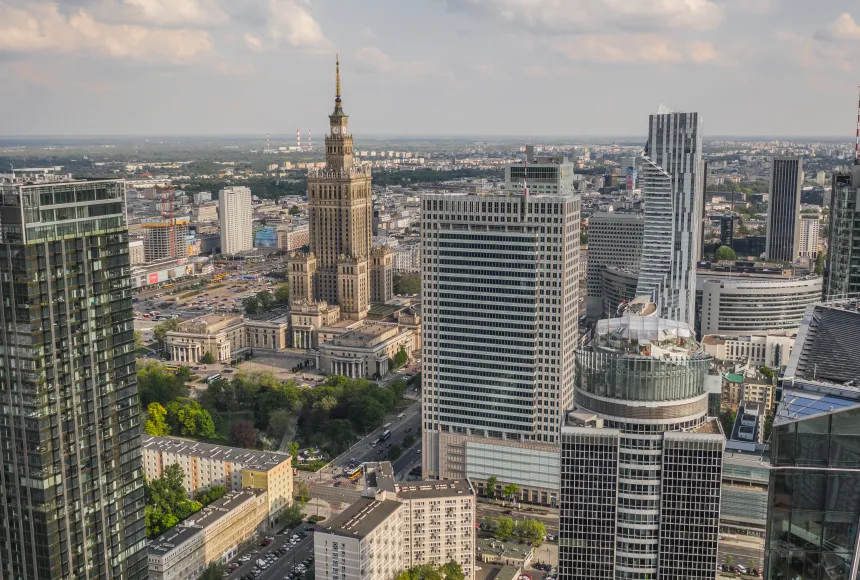
Polish office buildings are ageing. Is refurbishment more cost-effective than demolition?
BTA | 25.08.2026
The office market in Poland is increasingly entering a phase of modernisation of existing properties. According to the report “The Last Chance for Ageing Properties” published by Colliers, in Warsaw alone 64 per cent of office space is located in buildings over 10 years old, and 28 per cent in buildings older than 21 years. At the same time, companies are increasingly expecting their rented offices not only to be in a good location, but also to offer high energy efficiency, low operating costs and compliance with sustainability goals.
Read more
Water monitoring in buildings. How can costs be effectively reduced?
Tech FM | 06.08.2026
Smart meters, digital systems and leak detection technologies can significantly reduce water consumption. As the European Commission points out, remote metering alone can reduce water consumption by up to 25 per cent. For building managers, this is a compelling argument for treating water monitoring as a tool for cost control, minimising wastage and responding quickly to faults. Without reliable data, it is difficult to assess where consumption is justified and where it begins to result in unnecessary wastage.
Read more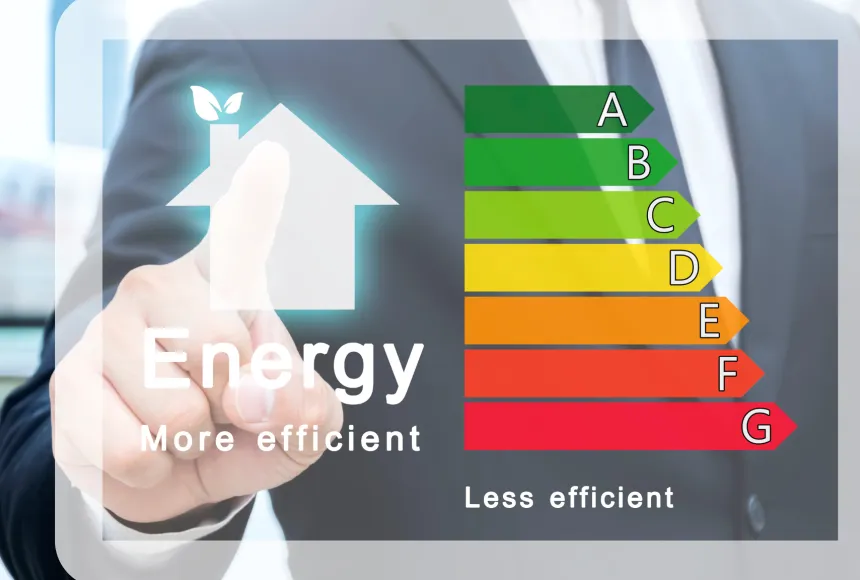
The Government has adopted an update to the National Energy and Climate Plan. The role of smart energy management will increase
Tech FM | 29.07.2026
Rising electricity prices, the development of artificial intelligence and the growing number of data centres mean that the way in which energy consumption is managed is becoming one of the key factors in a company’s competitiveness. This is also confirmed by the update to the National Energy and Climate Plan, adopted by the Council of Ministers in June, which sets out the direction for the transformation of Poland’s energy sector.
Read more
Reactive power charges are rising. How can businesses reduce these costs?
Tech FM | 23.07.2026
Rising energy prices are prompting businesses to scrutinise their electricity bills more closely. Usually, however, attention is focused on the total amount of the bill, whilst the breakdown may include additional charges that can be avoided.
Read more
How can air conditioning and ventilation in office buildings be managed effectively during heatwaves?
Tech FM | 22.07.2026
With heatwaves becoming increasingly frequent, ventilation and air-conditioning systems in office buildings are operating under a much greater strain than they did a dozen or so years ago.
Read more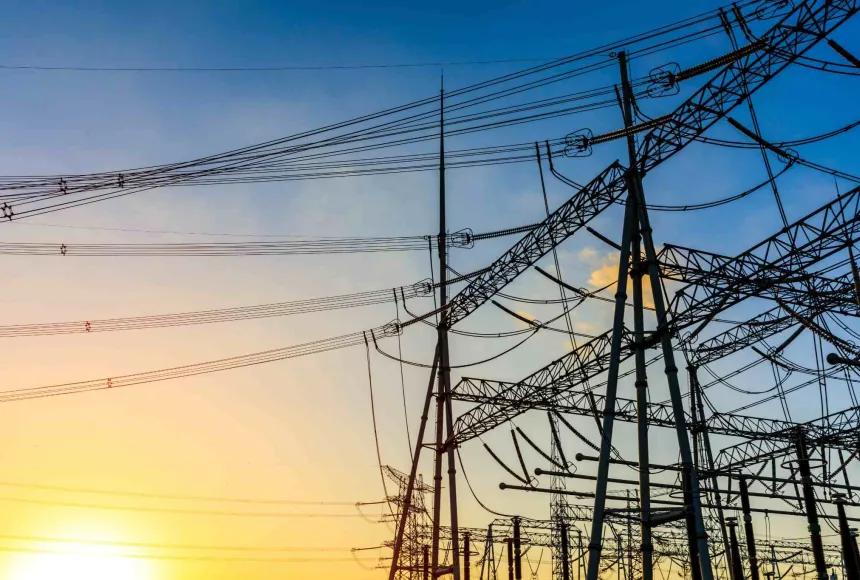
Poland is like Spain. We’re generating more and more energy in the summer – will the grid be able to keep up with the changes?
Energy | 15.07.2026
For decades, demand for electricity in Poland peaked during the winter months. However, in recent years, the electricity system has increasingly had to contend with a new challenge – rising energy generation from renewable sources in the summer, coupled with a simultaneous increase in energy demand during heatwaves. This necessitates not only the expansion of the transmission infrastructure, but also a change in the way the national grid is managed.
Read more
The heatwave is putting the Polish power grid to the test. What happens to the infrastructure when the temperature exceeds 35°C?
Energy | 02.07.2026
Subsequent years have shown that temperatures exceeding 35°C are no longer an exceptional occurrence in Poland. Experts at SPIE Energy Poland emphasise that this is a particularly challenging period for energy infrastructure operators, who must ensure a stable supply of energy under conditions that differ significantly from those for which the infrastructure was designed several decades ago.
Read more